Feb 21, 2026
What Causes Cracks or Fractures and How to Repair Them Properly
Repair Cracked Teeth safely with expert tips on causes, symptoms, and treatments. Learn how to protect your smile and prevent serious damage.

If you’ve ever felt a sharp twinge while biting into something hard or noticed a sudden sensitivity in one tooth, you may be dealing with a crack or fracture. These small breaks often start quietly and grow worse over time. Knowing what causes them and how dentists Repair Cracked Teeth can help you protect your smile before a minor issue turns into a major one.
At Serene Smiles of Fredericksburg, patients often ask whether a cracked tooth is serious and what can be done about it. The good news is that most cracks can be treated successfully when caught early.
Let’s walk through the causes, warning signs, and the safest ways to fix cracked teeth.
Understanding What a Cracked or Fractured Tooth Really Is
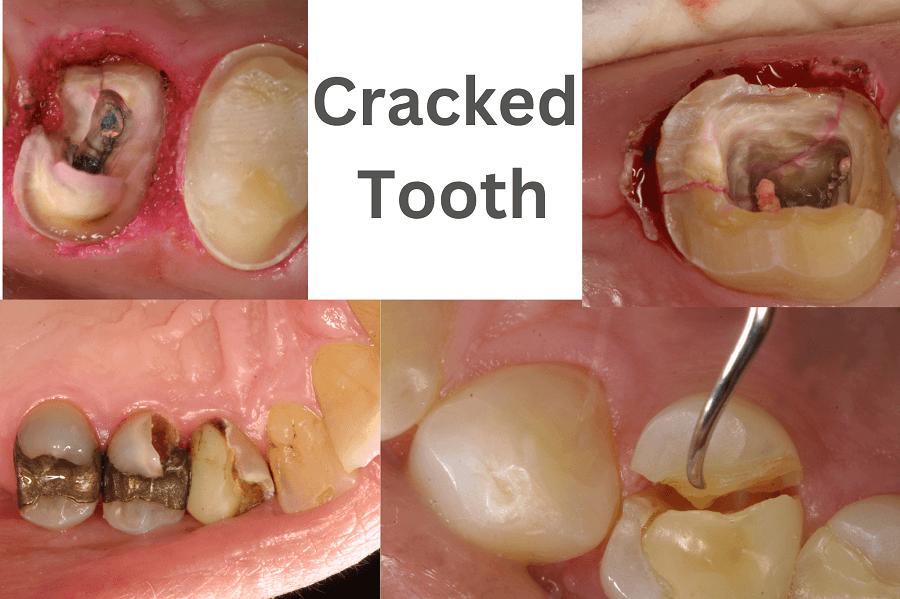
A cracked tooth is not always split in half. In many cases, it starts as a tiny line in the enamel that’s hard to see. Over time, that line can deepen and reach sensitive layers inside the tooth.
Cracks can appear in different forms:
Hairline cracks that affect only the enamel
Fractures that reach the dentin
Splits that extend into the root
Broken cusps on the chewing surfaces
Some cracks cause immediate pain. Others stay quiet for months. That’s why regular dental checkups matter so much.
Common Causes of Cracked and Fractured Teeth
Most cracks don’t happen overnight. They develop due to repeated stress or sudden pressure. Here are the most common reasons dentists see:
Biting Hard Objects
Chewing ice, hard candy, pens, or bottle caps puts extreme pressure on teeth. Over time, this can weaken enamel and create small fractures.
Teeth Grinding and Clenching (Bruxism)
Grinding at night or clenching during stress places constant force on teeth. This is one of the leading causes of hidden cracks.
Large or Old Fillings
Teeth with large fillings are more likely to crack because less natural tooth structure remains to absorb pressure.
Sudden Temperature Changes
Drinking hot coffee followed by cold water can cause enamel to expand and contract. Repeated changes may lead to micro-cracks.
Trauma and Accidents
Sports injuries, falls, or car accidents can fracture teeth instantly, even if the damage isn’t obvious right away.
Signs You May Have a Cracked Tooth
Not all cracked teeth hurt right away. Still, your body often gives warning signs.
Pay attention if you notice:
Sharp pain when chewing
Sensitivity to hot or cold
Discomfort when releasing a bite
Swelling near one tooth
Intermittent toothache
If these symptoms come and go, a crack may be shifting slightly when you bite. If you’re unsure whether your symptoms need urgent care, you may also find it helpful to explore .
Why Ignoring Cracks Can Lead to Bigger Problems
A small crack may seem harmless, but bacteria can enter through it. Once that happens, infection can develop inside the tooth.
Left untreated, cracks can lead to:
Deep decay
Nerve damage
Abscess formation
Tooth loss
Early care makes it much easier to Repair Cracked Teeth and avoid complex procedures later.
How Dentists Diagnose Cracked Teeth
Finding cracks isn’t always simple. Dentists use several tools and techniques to locate them:
Visual Examination
Special lights and magnification help reveal tiny fracture lines.
Bite Tests
You may be asked to bite on a small instrument to pinpoint pain.
Dental X-Rays
X-rays don’t always show cracks, but they help rule out infections or bone loss.
Dye Testing
Sometimes, dentists apply dye to highlight hidden fractures.
A careful exam ensures the right treatment is chosen from the start.
Professional Ways Dentists Repair Cracked Teeth
The method used depends on how deep the crack goes and whether the nerve is affected. There is no one-size-fits-all solution.
Here are the most common treatments used to Repair Cracked Teeth safely and effectively.
Dental Bonding
For minor cracks, tooth-colored resin can seal the damaged area. This protects the enamel and restores appearance.
Dental Crowns
Dental Crowns are often recommended for moderate cracks. A custom-made cap covers the tooth, preventing further splitting. You can also learn more about the process in What to Expect During a Porcelain Crowns Procedure.
Root Canal Treatment
If the crack reaches the pulp, infection may develop. A root canal removes damaged tissue before placing a crown.
Onlays and Inlays
These restorations fit inside or over parts of the tooth, offering extra strength without a full crown.
Tooth Extraction (Last Resort)
When a crack extends into the root and cannot be saved, removal may be necessary. Replacement options are then discussed.
Each option focuses on preserving as much natural tooth structure as possible. For patients considering restorations, How To Know If You Need a Composite Filling — Signs & Symptoms explains when fillings are the right solution.
One Key Checklist: Do’s and Don’ts for Cracked Teeth
If you suspect a cracked tooth, small daily choices can make a big difference:
Avoid chewing on the affected side
Stay away from hard or sticky foods
Use a soft-bristled toothbrush
Wear a night guard if you grind
Don’t ignore mild pain
Following these steps can prevent further damage until professional Dental care is provided.
Can Cracked Teeth Heal on Their Own?
Teeth do not heal like bones or skin. Once enamel is damaged, it cannot regenerate.
While minor sensitivity may fade, the crack itself remains. That’s why waiting it out rarely works. Proper dental care is the only reliable way to Repair Cracked Teeth and stop future problems.
Cost Factors in Treating Cracked Teeth
The cost of treatment depends on several factors:
Severity of the crack
Type of restoration needed
Location of the tooth
Additional procedures required
Simple bonding is usually more affordable, while crowns or root canals involve higher investment. However, early treatment almost always costs less than emergency care later. Many dental offices in Virginia also offer flexible payment options to make treatment manageable for patients.
How to Prevent Cracks in the Future
Prevention is always better than repair. Protecting your teeth reduces the risk of future fractures.
Use a Night Guard
If you grind your teeth, a custom night guard absorbs pressure while you sleep.
Avoid Using Teeth as Tools
Never open packages or bottles with your teeth. This habit causes countless fractures.
Maintain Regular Dental Visits
Routine exams help catch small cracks early, when treatment is simpler.
Eat Smart
Limit hard foods and avoid chewing ice or unpopped popcorn kernels.
Wear Sports Protection
Mouthguards are essential for contact sports and recreational activities.
These habits go a long way in protecting your smile.
When to See a Dentist Immediately
You should book an appointment as soon as possible if you experience:
Severe pain when biting
Swelling around a tooth
Visible cracks
Sudden sensitivity that doesn’t improve
Prompt care improves the chances of successfully repairing cracked teeth without complications. for expert cracked tooth care. Get fast relief, trusted treatment, and a healthier smile—schedule now online.
The Role of Experience and Technology in Crack Treatment
Modern dentistry uses advanced tools such as digital imaging and high-strength materials. These allow dentists to treat cracks with more accuracy and durability than ever before.
An experienced dental team knows how to evaluate both visible and hidden damage. This ensures that treatment lasts and protects long-term oral health.
How Cracked Teeth Affect Overall Health
Oral health and general health are closely linked. Infected or damaged teeth can contribute to:
Chronic inflammation
Jaw discomfort
Headaches
Difficulty eating
Fixing cracked teeth improves comfort, nutrition, and confidence.
Why Early Care Makes All the Difference
Small cracks are easier to treat. Once they grow deeper, treatment becomes more complex.
Patients who act early often avoid:
Tooth extractions
Extended recovery
Higher expenses
This is why routine dental checkups remain one of the best investments in long-term health. If you’re still deciding on long-term dental care, How to Choose the Right Dentist for Your Family offers helpful guidance.
Final Thoughts: Protecting Your Smile Starts with Awareness
Cracks and fractures are common, but they don’t have to lead to lasting damage. Understanding the causes, recognizing symptoms, and seeking timely care make a real difference.
If you’ve noticed discomfort, sensitivity, or changes in how your tooth feels, it may be time to have it evaluated. Taking that first step today can help prevent bigger problems tomorrow.
Many patients choose to schedule a consultation online to get clear answers and explore treatment options. A quick visit can provide peace of mind and help you move forward with confidence.
Your smile works hard every day. Giving it proper attention ensures it stays strong for years to come.


